Contact-Aware Manipulation
Exploring inverse kinematics and whole-body strategies that respond to contact along a robot's body.
Learning to use body contact
Most manipulation systems plan around the gripper and treat other contact as a collision. My current research asks when contact at the arm, torso, or base can improve a task, and how a robot can sense and control it.
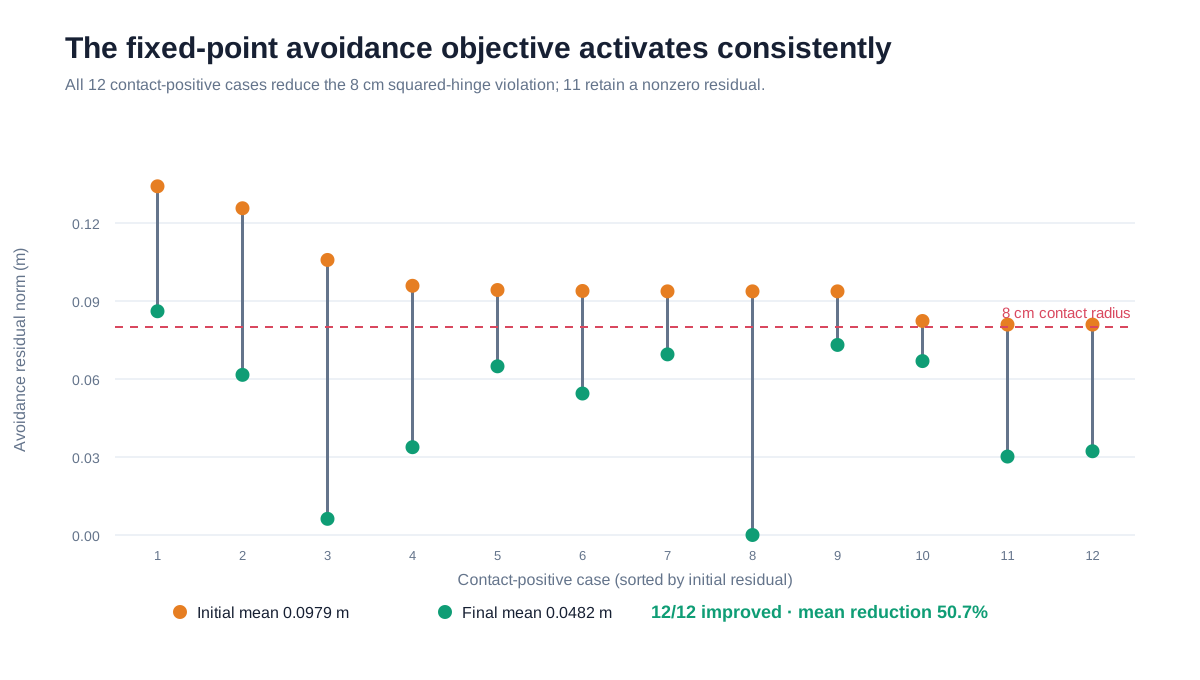
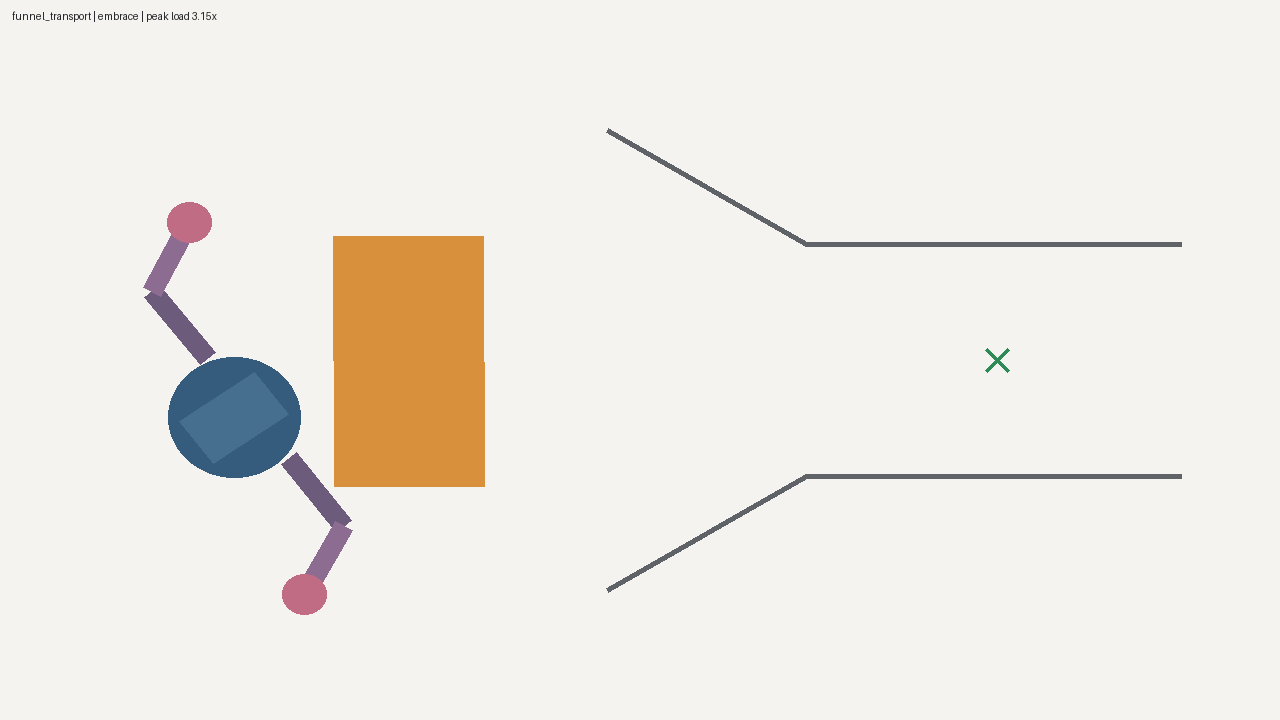
I have studied contact-aware inverse kinematics, sensing-aware placement of tactile skins, and simulated whole-body pushing, bracing, and pivoting. These are analytic and simulation studies. They establish software baselines and expose limitations; they do not demonstrate a general contact-rich policy on physical hardware.
The next research step is to connect distributed sensing to control and learning on a real robot, starting with bounded, supervised experiments.
What the current studies show